


How Herbal Remedies Support a Balanced Lifestyle

In today’s fast-paced world, maintaining a balanced lifestyle can be challenging. Many people turn to natural solutions to support their health and well-being. Herbal remedies have been used for centuries to promote physical and mental balance. These natural treatments offer gentle, effective ways to enhance daily life without the side effects often associated with synthetic drugs. This article explores how herbal remedies can support a balanced lifestyle, providing practical tips and examples to help you incorporate them into your routine.
The Role of Herbal Remedies in Daily Wellness
Herbal remedies are derived from plants and have been used in traditional medicine systems worldwide. They work by supporting the body’s natural functions and helping to restore harmony. Unlike conventional medications that often target symptoms, herbs aim to address the root causes of imbalances.
For example, chamomile tea is widely known for its calming effects, helping to reduce stress and improve sleep quality. Similarly, ginger is used to aid digestion and reduce inflammation. These herbs can be easily integrated into daily habits, such as drinking herbal teas or using herbal supplements.
Benefits of herbal remedies include:
Supporting immune function
Enhancing digestion
Reducing stress and anxiety
Promoting restful sleep
Balancing hormones naturally
Using herbal remedies regularly can help maintain overall wellness and prevent common health issues before they arise.

Exploring Popular Herbal Remedies for a Balanced Lifestyle
There are many herbs known for their health benefits. Here are some popular herbal remedies that can support a balanced lifestyle:
Ashwagandha
Ashwagandha is an adaptogen, meaning it helps the body manage stress. It supports adrenal health and improves energy levels. Taking ashwagandha supplements or teas can help reduce anxiety and enhance mental clarity.
Turmeric
Turmeric contains curcumin, a powerful anti-inflammatory compound. It supports joint health and boosts the immune system. Adding turmeric to meals or taking it as a supplement can help reduce chronic inflammation.
Lavender
Lavender is famous for its relaxing properties. It can be used as an essential oil, in teas, or in bath products to promote calmness and improve sleep quality.
Peppermint
Peppermint aids digestion and relieves headaches. Drinking peppermint tea after meals can soothe the stomach and reduce bloating.
Echinacea
Echinacea is often used to support the immune system, especially during cold and flu season. It can be taken as a tea, tincture, or capsule.
Incorporating these herbs into your daily routine can provide natural support for various aspects of health, helping you maintain balance in body and mind.

How to Safely Incorporate Herbal Remedies into Your Routine
While herbal remedies are natural, it is important to use them safely and effectively. Here are some practical tips for incorporating herbs into your lifestyle:
Start Slowly - Introduce one herb at a time to monitor how your body responds.
Consult a Healthcare Provider - Especially if you are pregnant, nursing, or taking medications.
Choose Quality Products - Look for organic and reputable sources to ensure purity and potency.
Follow Dosage Instructions - Avoid taking more than recommended to prevent side effects.
Use Different Forms - Herbs come as teas, tinctures, capsules, and topical applications. Choose the form that suits your lifestyle.
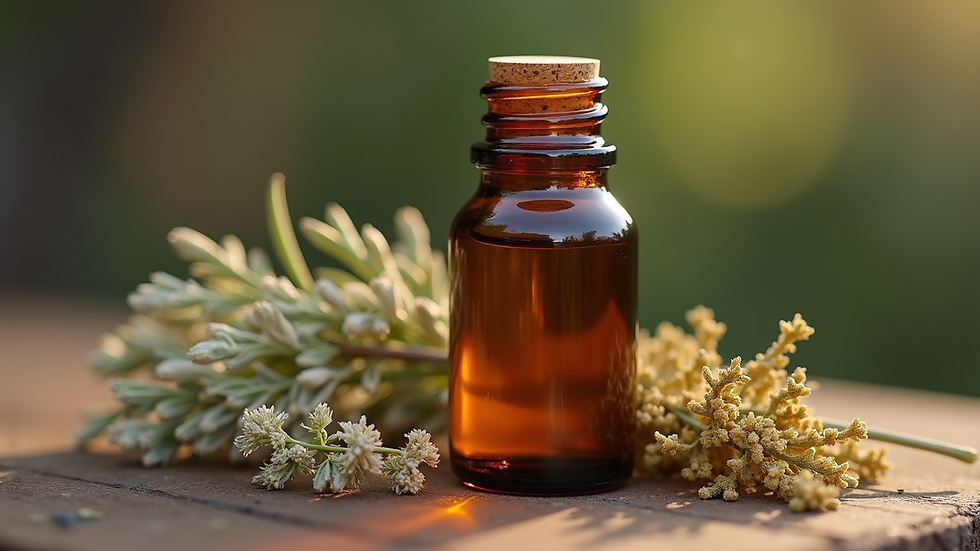
For those interested in natural extracts, organic herbal tinctures offer a concentrated and convenient way to benefit from herbs. These tinctures are made by soaking herbs in alcohol or glycerin to extract their active compounds.
By following these guidelines, you can safely enjoy the benefits of herbal remedies and support your balanced lifestyle.
Herbal Remedies and Mental Health Support
Mental health is a crucial part of a balanced lifestyle. Herbal remedies can play a supportive role in managing stress, anxiety, and mood disorders. Many herbs have calming and mood-enhancing properties that help promote emotional well-being.
Herbs for Stress and Anxiety
Valerian Root: Known for its sedative effects, valerian root can help reduce anxiety and improve sleep.
Lemon Balm: This herb has a calming effect and can reduce nervousness and restlessness.
Passionflower: Often used to ease anxiety and promote relaxation.
Herbs for Mood Enhancement
St. John’s Wort: Commonly used to alleviate mild to moderate depression.
Rhodiola Rosea: An adaptogen that helps improve mood and reduce fatigue.
Using these herbs as teas, supplements, or aromatherapy can help create a calming environment and support mental balance. However, it is important to consult a healthcare professional before using herbs for mental health, especially if you are on medication.
Practical Ways to Integrate Herbal Remedies into Your Lifestyle
Incorporating herbal remedies into your daily life can be simple and enjoyable. Here are some actionable recommendations:
Start Your Day with Herbal Tea: Replace your morning coffee with a calming herbal tea like chamomile or lemon balm.
Use Herbal Baths: Add dried lavender or rosemary to your bath for relaxation and skin benefits.
Cook with Herbs: Incorporate turmeric, ginger, and garlic into your meals for added health benefits.
Create a Herbal First Aid Kit: Include aloe vera gel, calendula cream, and tea tree oil for natural wound care.
Practice Aromatherapy: Use essential oils like peppermint or eucalyptus to boost energy and focus.
By making these small changes, you can enjoy the benefits of herbal remedies and support a balanced, healthy lifestyle.
Herbal remedies offer a natural, holistic approach to maintaining balance in life. From supporting physical health to enhancing mental well-being, these plant-based solutions provide gentle yet effective care. By choosing quality products, using herbs safely, and integrating them into daily routines, you can harness the power of nature to live a more balanced and vibrant life.


Comments